Philosophy

Stand-up Comedy
Our philosophy on stand-up comedy incorporates a structured understanding of the art form with the practical experience of actually doing it. It grew out of a combination of considerable onstage experience over decades and the synthesised wisdom of the largest collection of books and articles on humour, comedy and laughter in the southern hemisphere.
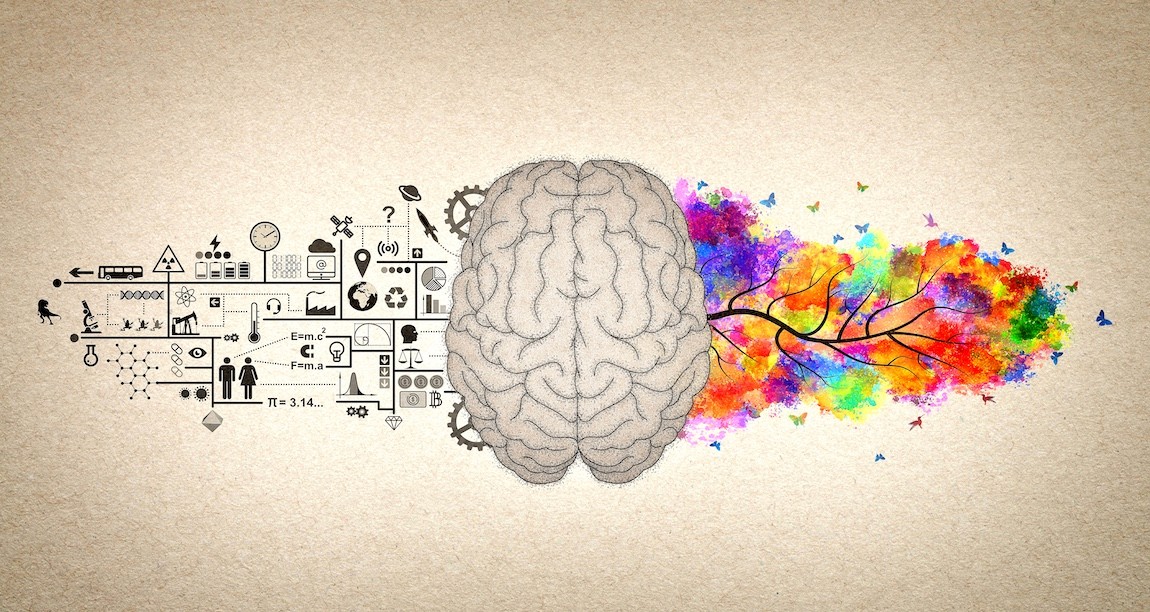
As you will learn if you study with us, there is way more to comedy than most people realise. It can be understood and constructed from many different perspectives. Our approach is largely experiential, yet also considers the psychological, philosophical, and cultural aspects. All of these are important to be aware of, and together they start to reveal that comedy is not just part of life; comedy is life. Being funny is a sign of life. It's a sign of humanness and emotional intelligence that is understood across cultures and time. From the court jester in medieval times to a funny kitten on Instagram or a modern comedian on stage, by making us smile or laugh, we are reminded of our own humanness and ability to relax and enjoy life, despite its difficulties and serious aspects.
Obviously, for the majority of people, humour and comedy are largely natural and spontaneous. You don't need a Humourversity qualification to be funny. However, like anything interesting, there are levels of understanding, and the devil, and the delight, is in the detail.
Being funny on stage takes practice. No one is successful straight away. Anyone can be funny when they're hanging out with friends, but making strangers laugh on cue is a challenging art and a sophisticated science. It's both harder and easier than you think: easier to do, but harder to do well.

Getting over the Fear
Many people secretly want to try stand-up, but are either too fearful or just don't know how to go about it. We've created one of the most comprehensive programs in the world that teaches you virtually everything you need to know to get started on the right foot. Most comedians are just winging it, and there is nothing wrong with that. Some are successful that way. But if you want to actually make this a career, or save yourself a lot of time and possibly a lot of bombing, then it helps to know what you're doing early on.
The only way to truly get over fear is to do the thing. However, it doesn't need to just be a terrifying leap of faith. You can learn the basics of the art, such as the science of joke writing. You can practise in an encouraging and supportive learning environment, and take the baby steps necessary to build the confidence to take the stage and NOT completely bomb on your first gig. In fact, if you do our stand-up program and prepare in the way we teach, we guarantee you won’t.
The easiest way to manage fear is to be prepared and actually understand the art form. We teach the art of prepared spontaneity: doing the focused preparation so you can be, or at least appear to be, spontaneous on stage. We teach you how to prepare lines so you can respond in a funny way if a joke doesn’t work or something unexpected happens like a glass smashing or a heckler piping up.
If you’ve ever come up with the perfect line to say to someone, after you stumbled in the moment, you were practising prepared spontaneity. Stand-up comedy is the art form where you get to deliver that perfect line to a room full of people, so they can enjoy your creative genius. And if it doesn’t work, you can have another line ready to get you out of trouble.

Humour
Our philosophy on stand-up comedy incorporates a structured understanding of the art form with the practical experience of actually doing it. It grew out of a combination of considerable onstage experience over decades and the synthesised wisdom of the largest collection of books and articles on humour, comedy and laughter in the southern hemisphere.
As you will learn if you study with us, there is way more to comedy than most people realise. It can be understood and constructed from many different perspectives. Our approach is largely experiential, yet also considers the psychological, philosophical, and cultural aspects. All of these are important to be aware of, and together they start to reveal that comedy is not just part of life; comedy is life. Being funny is a sign of life. It's a sign of humanness and emotional intelligence that is understood across cultures and time. From the court jester in medieval times to a funny kitten on Instagram or a modern comedian on stage, by making us smile or laugh, we are reminded of our own humanness and ability to relax and enjoy life, despite its difficulties and serious aspects.
Obviously, for the majority of people, humour and comedy are largely natural and spontaneous. You don't need a Humourversity qualification to be funny. However, like anything interesting, there are levels of understanding, and the devil, and the delight, is in the detail.
Being funny on stage takes practice. No one is successful straight away. Anyone can be funny when they're hanging out with friends, but making strangers laugh on cue is a challenging art and a sophisticated science. It's both harder and easier than you think: easier to do, but harder to do well.